What will the concrete industry be like in 2025?
1. Sustainable concrete solutions: Eco-friendly innovations
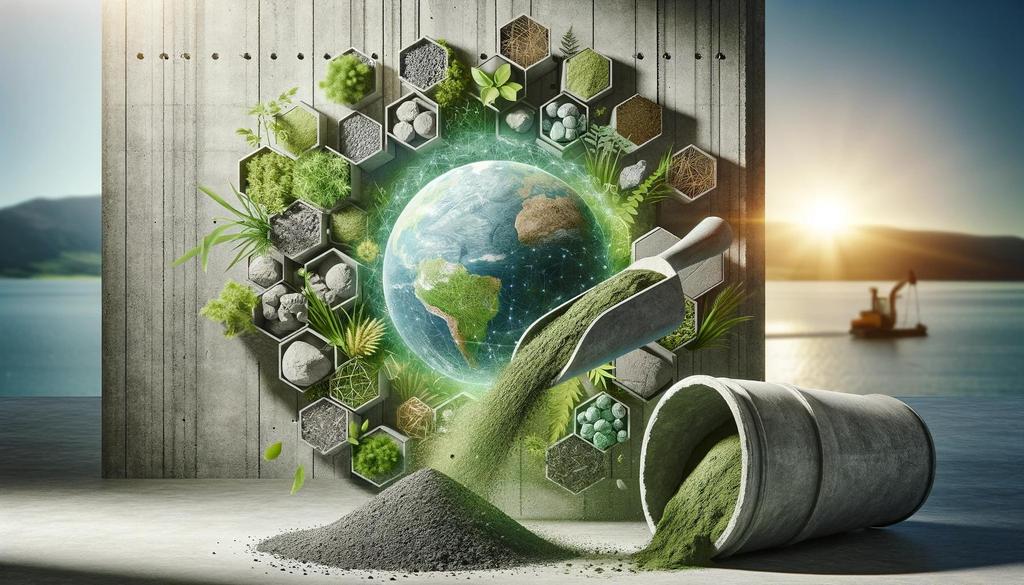
In recent years, the concrete industry has made significant strides towards sustainability, and concrete is no exception. Innovations such as carbon capture technology have emerged, allowing concrete to absorb CO2 during its curing process, thereby reducing its carbon footprint. Additionally, the use of recycled materials, such as crushed glass and plastic, in concrete mixes not only diverts waste from landfills but also enhances the material’s properties.
Moreover, permeable concrete is gaining popularity as an eco-friendly solution for urban drainage issues. This type of concrete allows water to pass through, reducing runoff and promoting groundwater recharge. By incorporating such sustainable practices, architects can design buildings that are not only structurally sound but also environmentally responsible.
2. Artistic expressions: Concrete as a medium for creativity
Concrete is often perceived as a cold and utilitarian material, yet it has become a canvas for artistic expression in modern architecture. Architects and artists alike are experimenting with textures, colors, and forms to create visually stunning structures. Techniques such as stamping, staining, and polishing can transform ordinary concrete into eye-catching elements that enhance the aesthetic appeal of buildings.
Famous examples include the works of architects like Tadao Ando and Oscar Niemeyer, who have utilized concrete to create harmonious spaces that blend with their surroundings. These innovative uses of concrete not only redefine architectural beauty but also challenge traditional perceptions of the material, showcasing its versatility as a medium for creativity.
3. Structural ingenuity: Reinforced concrete and its applications
Reinforced concrete has been a game-changer in the field of construction, allowing architects to push the boundaries of design. By incorporating steel rebar or mesh into concrete, structures can achieve greater strength and flexibility, enabling the construction of tall buildings and long-span bridges. This combination has led to iconic structures like the Burj Khalifa and the Sydney Harbour Bridge.
The adaptability of reinforced concrete also allows for innovative applications such as earthquake-resistant designs and complex geometric shapes. As architects continue to explore new ways to manipulate this material, the possibilities for structural ingenuity are virtually limitless.

4. Urban landscapes: Concrete in public spaces and infrastructure
Concrete plays a vital role in shaping urban landscapes, from sidewalks and plazas to bridges and highways. Its durability and low maintenance requirements make it an ideal choice for public spaces that endure heavy foot traffic and weather conditions. Cities worldwide are leveraging concrete to create multifunctional spaces that foster community engagement, such as parks and recreational areas.
Additionally, concrete’s versatility allows for innovative infrastructure solutions, such as noise barriers and green roofs, which contribute to the overall well-being of urban environments. By integrating concrete into public spaces, architects and urban planners can create vibrant, accessible areas that enhance the quality of life for city dwellers.
5. Smart concrete: Incorporating technology into design
The integration of technology into concrete design is paving the way for what is known as smart concrete. This innovative approach involves embedding sensors within concrete structures to monitor their health and performance over time. These sensors can detect stress, temperature changes, and crack formation, providing valuable data for maintenance and safety.
Moreover, smart concrete can be designed to respond to environmental conditions, such as self-healing properties that allow it to repair minor cracks autonomously. As the construction industry embraces these advancements, concrete is evolving from a static building material into a dynamic component of modern architecture, enhancing both functionality and longevity.

6. 3D-printed concrete structures
3D printing technology has transformed the way concrete is used in construction. This method allows for the creation of intricate, customized designs that were previously impossible to achieve with traditional methods. The precision of 3D printing minimizes material waste and reduces labor costs. Companies are now producing everything from affordable housing to complex architectural structures using 3D-printed concrete. For example, ETH Zurich has developed a robotic printing process to create lightweight, hollow concrete forms that improve sustainability. In addition, large-scale 3D printing is being used to construct entire neighborhoods in record time, demonstrating its potential to address housing shortages globally.

7. High-performance and ultra-high-performance concrete (UHPC)
High-Performance Concrete (HPC) and Ultra-High-Performance Concrete (UHPC) have redefined durability and strength in architecture. These materials possess superior compressive strength and resistance to environmental factors such as freezing and thawing cycles, chemical attacks, and abrasion. UHPC is particularly known for its ability to support extremely slender and complex structural forms, making it ideal for bridges, skyscrapers, and even artistic installations. Its resilience also makes it a top choice for infrastructure projects requiring long-term durability under extreme conditions.
8. Self-healing concrete
Self-healing concrete uses materials like bacteria, polymers, or capsules containing healing agents that activate upon exposure to water or air. When cracks form, these agents fill the gaps, restoring the structural integrity of the concrete. This innovative solution reduces the need for frequent repairs and maintenance, prolonging the lifespan of buildings and infrastructure. It is especially beneficial for projects in harsh environments, such as marine structures, roads, and bridges, where traditional concrete would degrade over time.
9. Precast concrete panels
Precast concrete panels are prefabricated in controlled factory settings, ensuring high-quality standards and reducing construction timelines. These panels can be customized with different finishes, patterns, and textures, offering aesthetic versatility while maintaining structural integrity. Their modular nature simplifies transportation and assembly, making them a cost-effective solution for a variety of projects, including facades, walls, flooring, and even entire modular buildings. Precast panels also contribute to sustainability by minimizing on-site waste and improving energy efficiency through their thermal properties.
10. Architectural concrete in interior design
Concrete is no longer limited to exterior applications; it is becoming a preferred material for modern interior design. Polished concrete floors add a sleek, industrial aesthetic to residential and commercial spaces, while sculptural concrete staircases and countertops showcase the material’s versatility. Designers can use staining, engraving, or etching techniques to create unique patterns and finishes, blending concrete seamlessly with other materials like wood and metal. Its durability and low maintenance make it an ideal choice for high-traffic areas while contributing to a minimalist and contemporary aesthetic.
Conclusion
Concrete has transcended its traditional role as a basic building material to become a cornerstone of innovation in modern architecture. From eco-friendly solutions and artistic expressions to cutting-edge technologies like smart concrete and 3D printing, these advancements highlight the material’s endless possibilities. As we continue to push the boundaries of creativity and functionality, concrete proves its adaptability in addressing global challenges like sustainability, housing shortages, and urban development. With its unique blend of durability, versatility, and innovation, concrete will undoubtedly remain a vital component of architectural progress in the years to come.
To ensure the best concrete solutions for your projects, contact Dai Nam Batching Station:
- Address: 5 National Road, Dampol 1st, Pulilan, Bulacan
- Regional Sales Manager: Mr. John Yap
- Phone: 0998 987 8181
- Email: [email protected]
- Website: https://dainam.ph/