Overview
Concrete is more than just a building material in the Philippines; it is the backbone of the nation’s infrastructure development. From simple residential homes to expansive bridges, dams, and highways, concrete underpins every major construction effort. Its versatility, durability, and adaptability make it indispensable in an industry striving to meet the growing demands of urbanization and climate resilience. Achieving the right concrete strength is a meticulous process that blends engineering expertise with advanced technologies. In 2025, as the Philippine construction industry embraces modernization, understanding and optimizing concrete strength will remain crucial for ensuring safety, sustainability, and economic efficiency.

What is concrete strength?
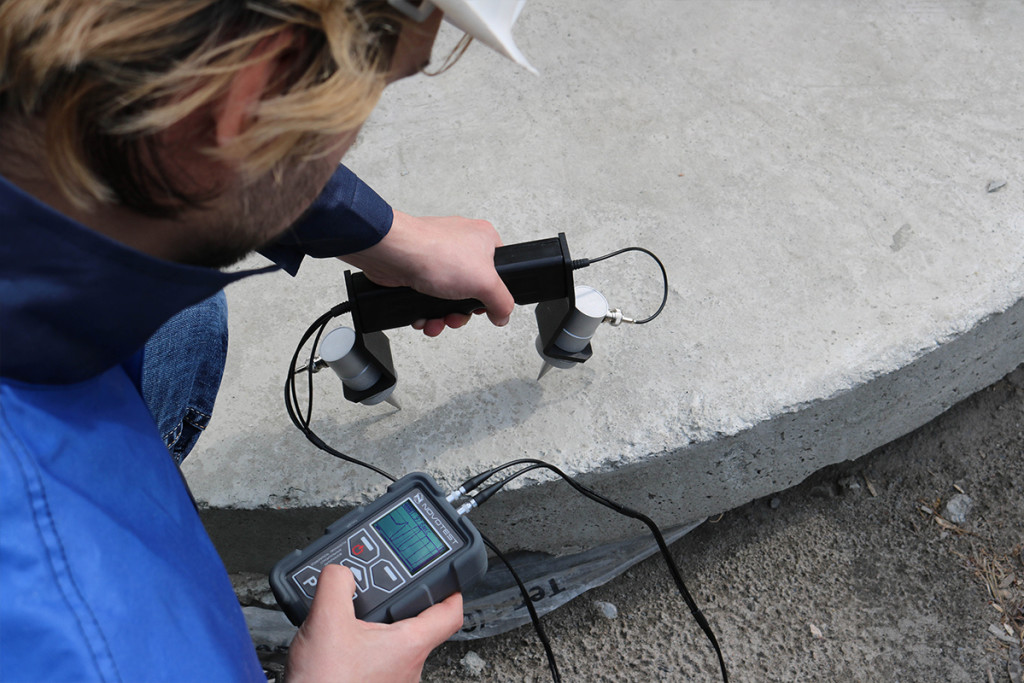
Concrete strength is a measure of its resistance to compressive forces, expressed in megapascals (MPa). This parameter reflects the material’s ability to bear weight and resist deformation, critical for structural integrity. The strength of concrete is typically evaluated 28 days after it has been poured and cured, as this duration allows the material to develop its maximum potential. For construction in the Philippines, where natural calamities like typhoons and earthquakes are frequent, selecting the appropriate concrete strength is not merely a technical requirement but a safeguard against disasters.
The MPa rating determines where and how concrete can be used. Higher MPa ratings signify greater durability and load-bearing capacity, making such grades essential for high-stakes projects like high-rise buildings and critical infrastructure. Conversely, lower MPa ratings are more economical and suited to less demanding applications like driveways and residential foundations.
1. Classifications of concrete strength
Concrete grades in the Philippines vary widely to cater to different structural demands, from simple residential needs to advanced industrial applications.
Grade 20 MPa (C20)
C20 is favored for non-critical structures like small homes, driveways, and pavements. Cost-effective and easy to produce, it fulfills the requirements of projects with minimal load-bearing needs. For example, local developers in provinces often use C20 for low-rise housing projects where affordability and quick construction are priorities.
Grade 25 MPa (C25)
More durable and weather-resistant, C25 is a common choice for medium-scale infrastructure such as roads and drainage systems. Its application in reinforced concrete structures—like beams, columns, and floor slabs—ensures stability under moderate loads, making it suitable for municipal facilities and medium-sized buildings.
Grade 40 MPa (C40)
C40-grade concrete is synonymous with strength and resilience, essential for large-scale projects such as skyscrapers, dams, and heavy-load bridges. For instance, the high-rise developments in Bonifacio Global City frequently incorporate C40 for foundational elements to guarantee stability against both vertical loads and lateral forces from wind or seismic activity.
Modern batching plants, such as those operated by Dai Nam, play a crucial role in meeting these diverse demands. Automated systems precisely mix components, minimizing errors and enhancing consistency—a critical factor when high-quality concrete is required for structurally demanding projects.
2. Factors influencing concrete strength
The ability of concrete to achieve its designed strength relies on a delicate balance of material composition, processing techniques, and environmental factors.
Supplementary cementitious materials (SCMs): Fly ash, silica fume, and slag are increasingly used in the Philippines to improve concrete’s performance. These materials enhance durability, particularly in coastal areas where structures face chloride-induced corrosion from saltwater exposure. For example, fly ash improves workability and reduces cracking, making it a popular choice for marine infrastructure.
Water-cement ratio (W/C): The W/C ratio must be carefully controlled to ensure optimal hydration without compromising strength. Excess water can weaken the concrete matrix, while insufficient water may lead to poor workability. Automated batching systems help achieve precision, especially for large-scale projects where consistency across batches is non-negotiable.
Advanced batching techniques: Modern facilities integrate real-time sensors to monitor and adjust mix ratios dynamically. This ensures uniform quality, reducing risks of failure during construction or use.
Innovative curing methods: Accelerated curing methods like steam curing enable faster strength development, which is particularly beneficial for projects with tight deadlines, such as expressway expansions or emergency disaster-relief housing.

3. The significance of concrete strength in the Philippine market
Safety compliance
The Philippines enforces strict building codes, such as the National Structural Code of the Philippines (NSCP), to ensure that buildings can withstand both everyday loads and extraordinary stresses. High-strength concrete is fundamental to meeting these standards, whether for a shopping mall in Cebu or a government building in Davao. Compliance is not just a legal necessity but a moral imperative to protect lives and assets.
Weather resistance
The Philippines faces an average of 20 typhoons annually and lies within the Pacific Ring of Fire, making high-strength, weather-resistant concrete critical. For instance, coastal defenses in regions like Leyte and Samar use high-grade concrete to endure storm surges and prevent erosion. Similarly, earthquake-resilient structures in Metro Manila employ advanced concrete technologies to absorb and dissipate seismic forces effectively.
Longevity and cost efficiency
High-strength concrete ensures durability, reducing the frequency and cost of repairs. In high-traffic infrastructures like the North Luzon Expressway (NLEX), durable concrete translates into smoother operations and lower maintenance costs over decades. Additionally, by extending the lifespan of structures, high-quality concrete supports sustainability goals, aligning with global green construction initiatives.
Why concrete strength matters in the Philippine market?
Concrete strength is a cornerstone of the Philippine concrete industry, playing a vital role in ensuring safety, durability, and sustainability. In a country prone to typhoons, earthquakes, and other environmental challenges, using high-strength concrete is essential for building resilient structures that meet regulatory requirements and withstand natural forces. Companies like Dai Nam are leveraging advanced technologies in their batching plants to produce concrete that meets the market’s growing demand for quality and performance.

1. Safety compliance
In the Philippines, adherence to stringent building codes is non-negotiable for ensuring public safety. The National Structural Code of the Philippines (NSCP) mandates specific strength levels for concrete used in various applications, from residential homes to large-scale infrastructure. High-strength concrete is essential to meet these standards, providing the structural integrity necessary to support the loads and stresses buildings face throughout their lifespan. By choosing the right concrete mix, developers can avoid potential structural failures that might endanger lives and properties, especially in urban areas where high-rise buildings dominate the skyline.
Moreover, using concrete with optimal strength ensures long-term stability, particularly for critical infrastructure such as hospitals, schools, and bridges. These structures must not only accommodate heavy loads but also remain functional during emergencies. High-strength concrete fortifies these facilities, making them reliable during disasters or prolonged periods of use, thereby enhancing public safety.
2. Weather resistance
The Philippines’ geographic location exposes it to extreme weather conditions, including typhoons and seismic activities. High-strength concrete plays a crucial role in mitigating the impact of these natural disasters. During typhoons, for example, strong winds and torrential rain can exert immense pressure on structures. Buildings and infrastructure constructed with high-strength concrete are better equipped to withstand these forces, reducing the likelihood of structural damage and ensuring the safety of occupants.
Earthquakes, another frequent hazard in the Philippines, place additional stress on infrastructure. The ability of high-strength concrete to absorb and dissipate seismic energy is critical in preventing catastrophic failures. Its enhanced durability and resilience make it the preferred material for constructing earthquake-resistant structures. This is particularly important for densely populated areas like Metro Manila, where the risk of earthquake damage poses significant threats to life and property.
3. Longevity
The durability of high-strength concrete makes it an investment in long-term cost efficiency. Structures built with robust concrete are less prone to wear and tear caused by environmental factors such as moisture, temperature changes, and chemical exposure. This is particularly advantageous in regions like coastal areas, where saltwater intrusion can accelerate material degradation, or industrial zones, where chemical exposure is common. High-strength concrete’s ability to resist these factors extends the lifespan of buildings and reduces the need for frequent maintenance and repairs.
From an economic perspective, using high-strength concrete lowers the total cost of ownership for infrastructure projects. While the upfront cost may be higher, the reduced maintenance requirements and extended service life of the structures result in significant savings over time. High-strength concrete also supports sustainability goals by minimizing resource consumption and waste associated with frequent reconstruction. This aligns with the global push for environmentally friendly construction practices, positioning the Philippine market as a leader in sustainable development.
For Dai Nam’s batching plants

Dai Nam Batching station is a leading provider of state-of-the-art concrete batching plants in the Philippines, renowned for its high-performance batching solutions. Their stations are equipped with BHS Sonthofen mixers, known for their exceptional mixing efficiency, durability, and adaptability to various concrete grades. These advanced systems cater to diverse construction needs, from residential buildings to large-scale infrastructure projects.
By utilizing cutting-edge technologies and adhering to stringent quality standards, Dai Nam Batching Station ensures concrete production that meets the highest safety and durability benchmarks. Their innovative solutions address the specific needs of the Philippine construction industry, making them a trusted partner for projects of any scale.
For more information on Dai Nam’s solutions and products tailored to the Philippine market, visit trusted industry resources and contact Dai Nam directly.
For further information, explore our related articles
1. Top concrete trends in the Philippines for 2025
2. The importance of quality concrete in the Philippine construction sector in 2025

Dai Nam and partners at Long Thanh’s airport construction project
Get in touch with Dai Nam batching station
- Address: 5 National Road, Dampol 1st, Pulilan, Bulacan
- Regional Sales Manager: Mr. John Yap
- Phone: 0998 987 8181
- Email: [email protected]
- Website: https://dainam.ph/